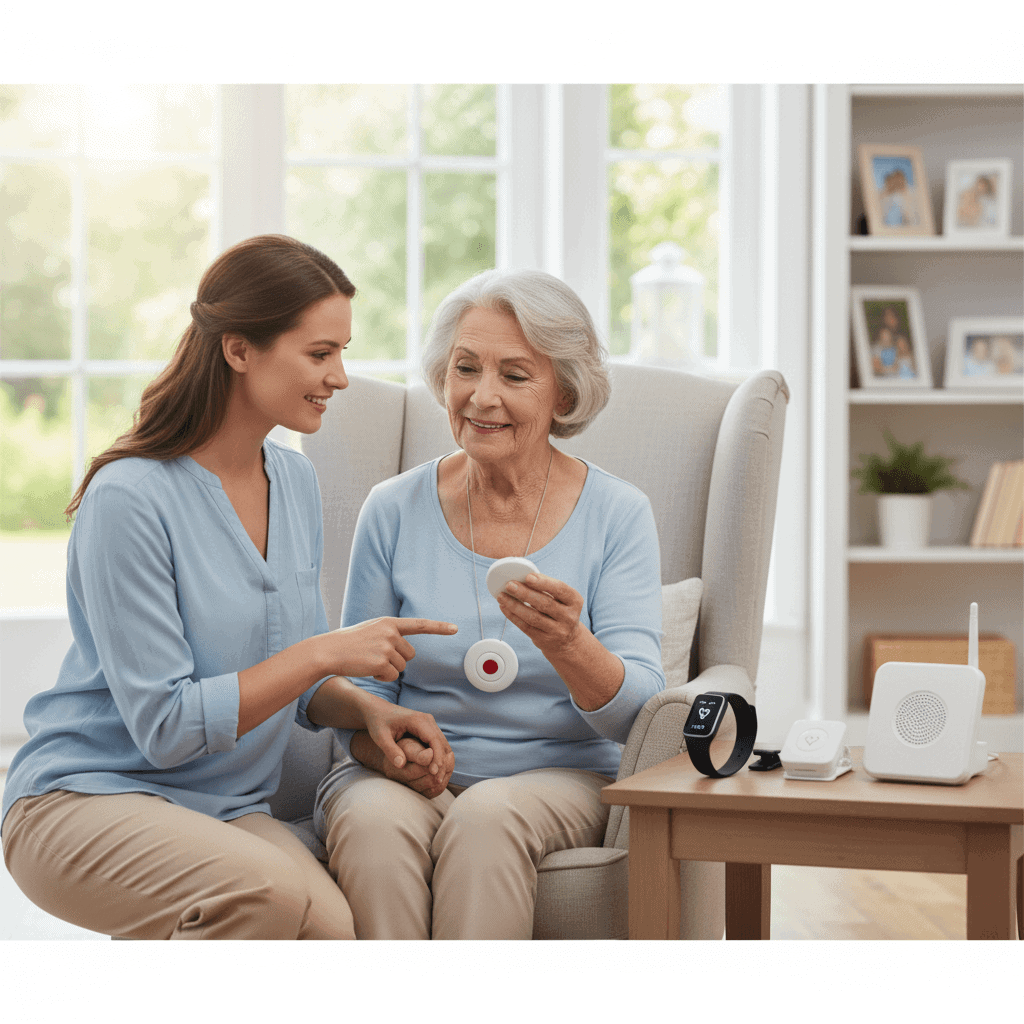
Choosing a medical alert system for an aging loved one is a decision that affects daily safety and independence. Families face many options and technical details that can feel overwhelming. This article breaks down what matters most so you can make a clear choice that fits health needs and lifestyle.
We will look at real life examples and practical tips to compare devices, monitoring plans, and support services. Read on to help Keep Elders Safe Choose Their Best Medical Alert and make a choice that works for your household.
Why the right medical alert matters for elders
A reliable device creates a direct link to help when a fall or medical event occurs. For an older person living at home the difference between quick response and delay can be significant. Response time can affect outcomes for fall related injuries, sudden cardiac symptoms, and other emergencies.
Beyond emergency calls many families report reduced anxiety at home when they know a trusted system is in place. Choosing the right model also affects daily convenience. A unit that is comfortable to wear and simple to use is more likely to be kept on at all times which increases safety.
Key features to compare before you buy
Not all systems are built the same. Compare these features when you evaluate options so the device you select matches the elder person’s habits and health profile.
- Two way voice A device with clear speaker and microphone lets the wearer talk directly to an operator without moving to a phone.
- Fall detection Some units use motion sensors to detect a fall automatically. This can catch incidents when the wearer cannot press a button.
- GPS tracking For people who leave the home often GPS helps locate them quickly in public places.
- Battery life Check how long the battery lasts between charges and how the device alerts when power is low.
- Water resistance Many falls happen in bathrooms so water resistant pendants or wristbands are safer options.
- Subscriber vs month to month plans Look at contract length, cancellation terms, and whether landline or cellular is used.
How to prioritize features for an individual
Match features to daily routines and medical history. For example if memory loss is a concern choose a model with automatic fall detection and GPS. If the person rarely leaves the house a home base unit with a wearable button may suffice.
Practical tip for testing features
Ask for a trial period so you can test voice clarity, button responsiveness, and fit. Try wearing the device during a typical day and see if the wearer keeps it on during activities like showering and chores.
Types of medical alert devices and when each makes sense
There are three main categories that cover most needs. Understanding the pros and cons helps pick the right type for daily life.
Home based systems
These use a base station plugged into the home phone line or cellular network and a wearable transmitter. Best for elders who spend most time at home and want reliable indoor coverage. They are usually less expensive when home use is the main requirement.
Mobile systems with GPS
Wearable devices with cellular connection and GPS work outside the home. They are suited to active seniors who walk, attend appointments, or travel. Confirm the cellular coverage area and check international rules if travel is expected.
Hybrid options
Some systems combine a home base with a mobile pendant so coverage follows the wearer from home to community. These models are flexible but may cost more. Evaluate whether the extra mobility matches actual daily habits before choosing a hybrid plan.
Monitoring services and response models
Monitoring can be staffed by a central station operator or routed to personal contacts. Think about who answers calls and how escalation works. A professional central station operates 24 7 and can dispatch emergency services directly. Personal contact models call family or neighbors first which might delay official help.
Check operator training and handling protocols. Ask about language options and if there is medical information sharing that speeds triage when responders arrive.
Costs, contracts and what to watch for
Price is more than the initial hardware. Look at monthly monitoring fees, contract length, activation charges, and fees for replacing lost equipment. Some companies offer month to month service while others require a year long commitment.
- Ask about warranty coverage and whether device replacement is included.
- Check whether software updates or feature upgrades are provided at no extra charge.
- Watch for hidden fees such as emergency dispatch fees or late payment charges.
Customer support and real world reliability
How a company handles questions and emergencies matters as much as the hardware specs. Read recent user reviews and ask family members of current subscribers about their experience. Reliable customer support responds quickly and follows up after incidents.
When possible test operator response during a trial. Press the button and note how long it takes for an operator to answer and how they handle the call. That real test will show system speed and clarity more than marketing claims.
Privacy, medical information and legal considerations
Find out what user data the company collects and how it is stored. Confirm whether location data or health details are shared with third parties. If the elder signs a contract read terms about data retention and emergency contact sharing.
Also check local regulations for medical dispatch fees and emergency service protocols. Some areas require certain steps before dispatching first responders which can affect timing.
How families can involve elders in the decision
Choice is important to dignity and willingness to wear the device. Include the elder person in hands on trials and explain scenarios where the system helps. Try several styles so the person can pick a comfortable option.
Use respectful language and short demonstrations. Let the elder press the device during a trial so they can see how simple it is to reach help. That involvement increases acceptance and reduces the chance the unit will be left on a shelf.
If you want more background on comparison points and a step by step checklist for shopping for a device you can discover more about features plans and user experiences at a detailed resource.
Common mistakes families make and how to avoid them
Some choices feel right on paper but fail in use. Common problems include selecting a device that is uncomfortable, choosing a plan with poor coverage in the local area, and skipping a trial before purchase. Another frequent issue is not updating emergency contact lists after moves or health changes.
- Test comfort and sound quality before committing to a long term plan
- Confirm cellular coverage maps for mobile devices and check local reception at the elder person’s home
- Review contact lists every six months to keep emergency names and medical notes current
When a fall detector triggers repeatedly because of false alarms the wearer may turn the device off. To avoid this calibrate sensitivity settings and choose a model that allows technician support for fine tuning. A small upfront effort reduces downtime and improves ongoing safety.
Choosing a medical alert system for an older adult is a practical step toward safer daily life. Focus on features that match real routines and health risks. Test devices in the environment where they will be used and involve the elder when possible.
Conclusion
Finding the right medical alert system takes thought and a few practical checks. Start by listing the elder person’s medical needs activity patterns and comfort preferences. Compare key features like voice clarity fall detection and battery life against those priorities. Try a trial when available and test operator response times in real usage. Read recent customer reviews and confirm service and billing terms before signing up. Your choice should reduce response time and fit smoothly into daily life so the device is worn consistently. When family members take a hands on approach and involve the elder in testing the result is a higher likelihood of regular use and better safety. Make a plan to review the system annually with the elder person and update contacts and medical details. If you are ready to take the next step gather a shortlist of two or three models and arrange hands on trials where possible. Acting now improves the odds that help will arrive quickly when it is needed most and helps elders keep living with comfort and confidence.