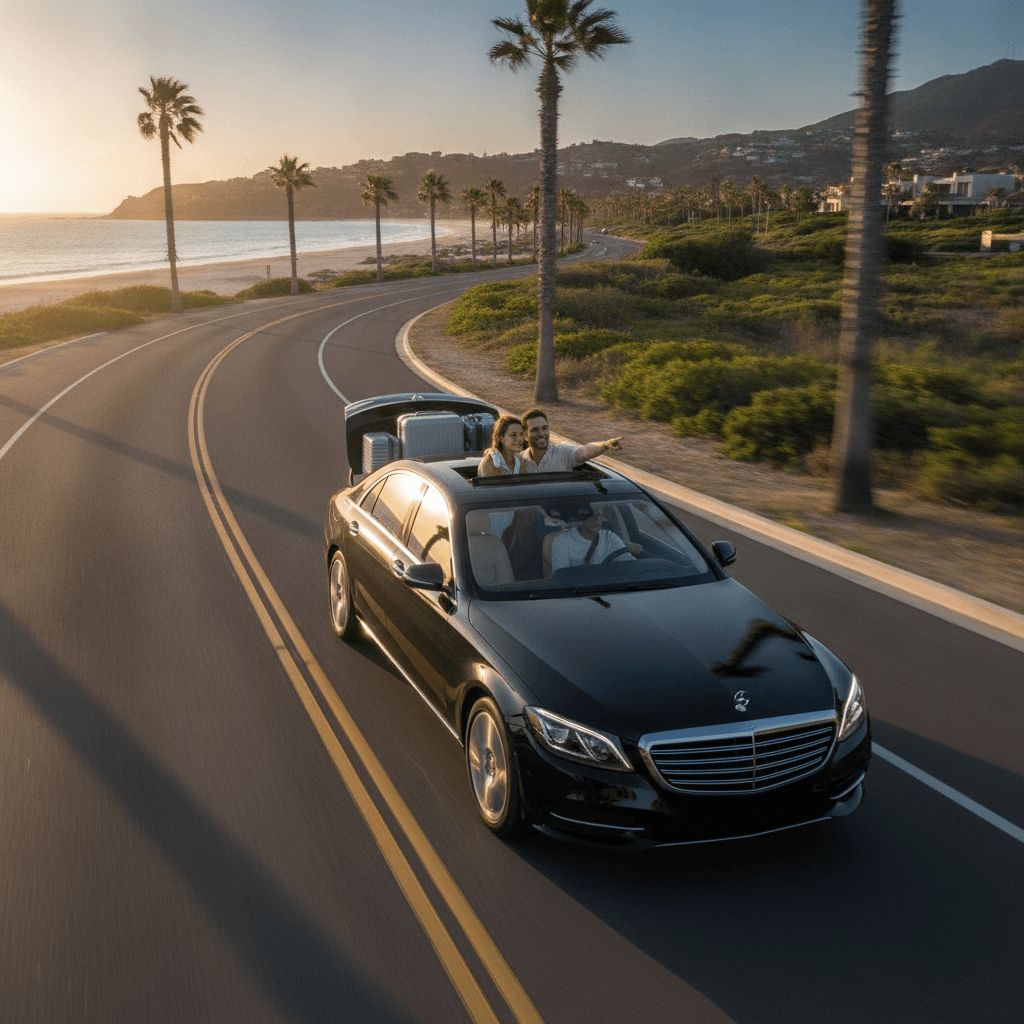
Planning a trip, whether for business or pleasure, often includes the need for a rental car. It adds flexibility and freedom to explore at your own pace. I have found that careful preparation before you even pick up the keys can make a huge difference in your travel experience.
Ignoring the small details of a rental agreement can lead to unexpected costs or delays. We believe a smooth journey begins long before you hit the open road. It starts with understanding what you need and what you are getting.
This article will share practical advice to help you select the best vehicle and deal with the rental process confidently. We want to help you avoid common pitfalls and enjoy your travels.
Understanding Your Travel Needs for the Best Rental Car Choice
Before I even look at rental car company websites, I always take a moment to consider the specifics of my trip. This crucial first step helps me choose a vehicle that truly fits. I ask myself several questions about my destination and travel companions.
For example, if I am traveling solo for a quick business meeting in a city, a compact or economy car usually works best. It is fuel-efficient and easy to park in busy urban areas. However, if my family and I are heading to a national park, I know we will need something much larger.
The type of car really matters for comfort and safety. A larger sedan or an SUV provides the space for luggage and passengers. It also handles varying road conditions better than a small car. Think about how much gear you are bringing along.
We often forget about things like ski equipment or multiple suitcases. These items require significant trunk space. My experience shows that underestimating your space needs leads to cramped rides and frustration.
I also think about how many people will be with me. A car that seats five might feel like enough on paper, but if you have five adults with luggage, it becomes very uncomfortable. Choosing a slightly larger vehicle than you think you need is often a good idea.
Considering Passenger Count and Luggage
The number of people traveling with you directly affects the size of the car you need. For a solo traveler or a couple, a small car is usually fine. It helps keep costs down, and these cars are easy to handle in crowded places.
When I travel with four or more people, I always look for a full-size sedan or an SUV. This gives everyone enough room. It also ensures there is space for their bags. My family usually packs a lot so we need that extra room.
I learned early on that trying to squeeze into a too-small car ruins the mood of a trip. It also makes long drives feel much longer. We recommend getting a car with enough space for everyone to stretch out a bit.
Road Conditions and Fuel Efficiency
Where you plan to drive is another important factor. If you are staying on paved city roads, most cars will be fine. But if your adventure involves gravel roads or mountain passes, a car with better ground clearance and potentially four-wheel drive might be a smarter choice.
Fuel costs can add up quickly, especially on longer trips. I always check the estimated fuel efficiency of different models. A car that sips gas will save you money in the long run. We know that balancing size and fuel efficiency is a key part of smart rental car planning.
Deciphering Rental Agreements and Policies
Navigating the terms and conditions of a rental car agreement can feel like reading a foreign language. But understanding these documents is essential. I always take my time to read through them carefully. This prevents any unwelcome surprises later on.
Many people rush through this step. They just want to get on their way. However, ignoring the fine print can cost you a lot of money and stress. I focus on key areas like insurance options, mileage limits, and fuel policies.
Rental companies often offer various insurance packages. These range from basic liability to full coverage. I always check if my personal auto insurance or credit card provides any coverage. This can help me avoid paying for duplicate protection.
Sometimes, additional insurance is not needed. But other times, it is a smart investment for peace of mind. It truly depends on your existing coverage and your risk tolerance. We suggest you call your personal insurance provider before you book.
Mileage limits are another thing I pay attention to. Some agreements include unlimited mileage, which is great for long road trips. Other contracts have daily limits. Exceeding these limits results in extra charges per mile. I always confirm this detail based on my travel plans.
Understanding Insurance Options
Rental car insurance can be confusing because there are several types. There is often a Collision Damage Waiver, Supplemental Liability Protection, Personal Accident Insurance, and Personal Effects Coverage. Each covers different things. I have learned that the Collision Damage Waiver is usually the most important one to consider. It protects you from financial responsibility for damage to the rental car.
Before I agree to any rental company insurance, I check my existing car insurance policy. Many personal policies extend to rental cars. Some credit cards also offer rental car insurance benefits. I contact my credit card company to confirm what they cover. This can save me a significant amount of money. If my current coverage is enough, I decline the rental company’s offerings. If not, I pick the option that makes me feel most secure.
Fuel and Mileage Policies
The fuel policy specifies how you should return the car. The most common policy is to return it with a full tank. If you do not, the rental company will fill it up. They will charge you a premium rate for the fuel and often an extra service fee. I always plan to fill the tank myself just before returning the car. This saves me money every time.
Some companies offer a prepaid fuel option. This lets you return the car with an empty tank. I rarely choose this because it means I am paying for fuel I might not use. I also look for mileage restrictions. Most major companies offer unlimited mileage. However, smaller local agencies or special deals might have limits. I make sure my planned route fits within any mileage cap. Otherwise, I find a different rental company.
Pre-Rental Inspection and Pickup Tips
The moment you pick up your rental car is a critical time. I always perform a thorough inspection of the vehicle before I drive off the lot. This step helps protect me from being held responsible for existing damage. We know it takes a few extra minutes, but it is time well spent.
I start by walking around the entire car. I look for dents, scratches, and any other noticeable imperfections. I also check the interior for tears, stains, or missing items. It is important to look at the tires for significant wear or damage.
If I find any damage, no matter how small, I immediately point it out to a rental agent. I make sure they document it on the rental agreement. I also take photos or videos of the damage using my phone. This creates a clear record and protects me.
Before leaving, I also check that all lights are working properly. I test the turn signals, brake lights, and headlights. I also make sure the windshield wipers are functional. These are basic safety checks that are easy to overlook. We also ensure the car has current registration and insurance documents.
Finally, I familiarize myself with the car’s controls. This includes adjusting seats, mirrors, and knowing how to operate the air conditioning and radio. It is better to do this in the parking lot than while driving on an unfamiliar road.
Documenting Existing Damage
Taking clear photos or a video walkthrough of the car before you leave is a very effective way to protect yourself. I focus on capturing any scratches, dents, or chips on all sides of the vehicle. I also make sure to get shots of the roof, wheels, and interior. The timestamps on my photos prove the damage existed before I took possession.
When showing the damage to the rental agent, I ask them to specifically note each item on the checkout sheet. I keep my own copy of this document. This creates a dual record. This step has saved me from arguments about minor cosmetic issues multiple times. It gives me peace of mind when I return the car.
Checking Fluids and Features
Before I leave, I quickly check for any warning lights on the dashboard. I want to see if the oil light or tire pressure light is on. I also ensure the fuel tank is at the level indicated on my agreement, usually full. This is a quick check that avoids future headaches.
I make sure the spare tire and jack are present and in good condition. Sometimes these items are missing. This check only takes a moment and could be very important if you get a flat. We know these details contribute to a truly smooth rental experience.
Safe Driving Practices and Return Procedures
Once you are on the road, safe driving should be your top priority. Remember, you are driving an unfamiliar car in potentially unfamiliar areas. I always adjust my driving to match the conditions. This keeps me and my passengers safe.
I avoid distractions like excessive phone use or fiddling with the car’s entertainment system. Focusing on the road helps prevent accidents. We always recommend using GPS for navigation. This prevents getting lost and reduces stress.
When it comes to returning the car, I always make sure to return it on time. Late returns can result in extra charges. I also try to return it cleaner than I received it. This shows respect for the next renter and the rental company.
I remove all my personal belongings from the car. I check the glove compartment, under the seats, and the trunk multiple times. It is easy to leave behind small items like phone chargers or important documents. We have heard many stories of forgotten items.
Before I hand over the keys, I take a final set of photos or videos of the car. This documents its condition at the time of return. This is especially helpful if there is any dispute later on. I make sure to get a receipt for my return. This confirms the date and time the car was checked in.
Driving Responsibly
When I am driving a rental car, I drive defensively. I assume other drivers might make mistakes. This helps me react quickly. I also avoid taking unnecessary risks. This includes speeding or aggressive maneuvers. Rental cars are usually standard models. They may not handle exactly like your personal vehicle. So, I take a few minutes to get used to the feel of the car, its braking, and acceleration.
Also, I always follow local traffic laws. Different regions have different rules. For instance, some states allow right turns on red while others do not. Paying attention to road signs is essential for everyone’s safety. This attention to detail can help you have a great trip.
Sometimes, unfamiliar car features can be distracting. I adjust the mirrors and seat before I start driving. I set up my phone for navigation before I leave the parking lot. This way, I do not need to look down at my phone while driving. These small actions help me focus on the road.
Smooth Return Process
To ensure a smooth journey with your rental car choice, the return process needs to be just as organized as the pickup. I always leave enough time to refill the gas tank close to the rental location. I also consider traffic when planning my return time. This prevents late fees.
I clean out any trash and make sure the interior is tidy. This is not always required, but it shows good manners and helps avoid potential cleaning fees. Then, I do a final sweep for my personal items. I check under the seats, in the side pockets, and the trunk. It is surprising how often small things get left behind. I always double check everything.
Conclusion
Choosing and managing a rental car does not have to be a stressful part of your travel plans. By taking a proactive approach, you can ensure a smooth journey with your rental car choice from beginning to end. My experience shows that understanding your needs, carefully reading the rental agreement, and performing a thorough pre-rental inspection are the foundations of a successful rental experience. We also emphasize safe driving practices and organized return procedures to complete your journey without issue.
Remember that a little preparation goes a very long way in saving you time, money, and unnecessary worry. Do not hesitate to ask questions if anything in the agreement is unclear, and always document the car’s condition. These steps empower you to take control of your rental experience and focus on enjoying your trip. For more specific advice on choosing the best rental for your trip, we suggest you explore additional resources. We want your travel to be as enjoyable as possible so prioritize these steps.